
Posted on August 26, 2025
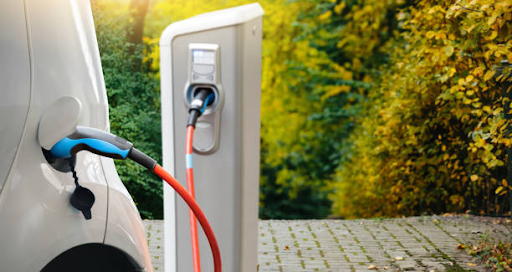
The installation of EV chargers represents a good decision yet ignorance about energy tariffs and peak demand pricing may result in high expenses. The effectiveness of smart charging depends on both hardware selection and the ability to determine optimal charging times and manage energy expenses properly.
What Is Peak Demand and Why It Matters
Commercial customers must pay their utility bills based on their electricity consumption levels and their usage timing. The utility rates increase during high-load periods which occur mainly between mid-afternoon and early evening.
The U.S. Energy Information Administration (EIA) shows that demand charges represent a significant expense factor for big commercial energy consumers particularly those operating high-density EV charging stations.
Smart Charging Strategies
To avoid spiking your utility bill, consider:
- Load balancing across multiple chargers
- Scheduled charging during off-peak hours
- Battery storage to offset peak loads
Rocky Mountain Institute (RMI) suggests implementing software and automation systems to manage EV charging dynamically for demand charge reduction.
These approaches are particularly valuable in workplaces, apartment buildings, or hospitality venues with predictable charging patterns.
Partnering for Smarter Installations
ApexCharger provides clients with complete energy management solutions after installing chargers. Through their app-based control system and usage tracking features and grid-friendly scheduling capabilities you can lower costs while providing support to your tenants or staff.
Final Word
The complexity of electricity pricing does not need to become an obstacle when you implement the right strategy. Your chargers will deliver better value and you will prevent unexpected expenses when you understand tariffs and plan your charging during off-peak times.